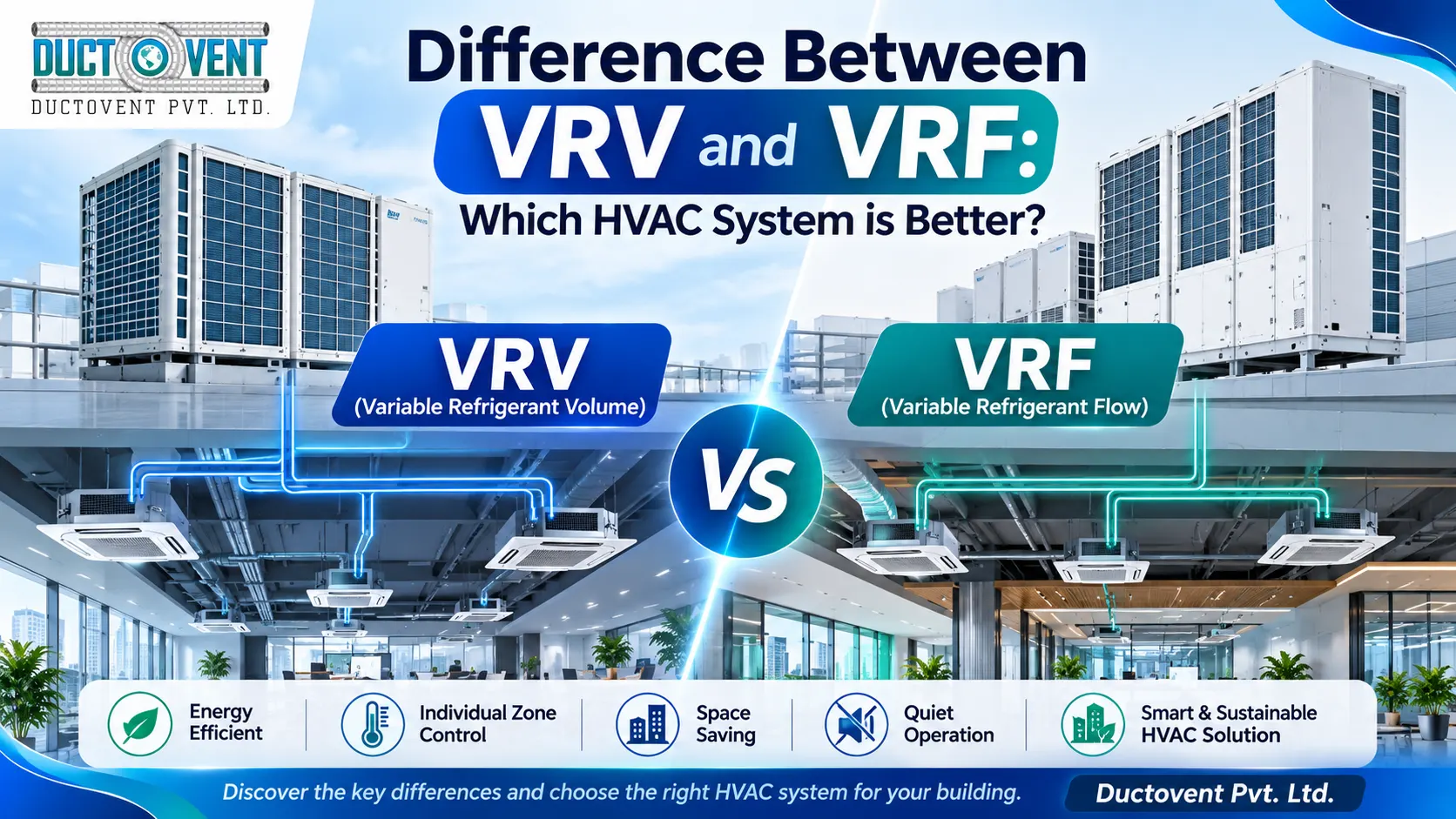
Modern buildings require energy-efficient and intelligent air conditioning systems to maintain indoor comfort while reducing operating costs. Two of the most popular HVAC technologies used in commercial and residential buildings are VRV (Variable Refrigerant Volume) and VRF (Variable Refrigerant Flow) systems. Although these terms are often used interchangeably, many people wonder whether there is any real difference between them.
In this blog, we’ll explain the difference between VRV and VRF, how they work, their advantages, applications, and which system is the best choice for your project. Ductovent Pvt. Ltd., a trusted manufacturer of HVAC ducting solutions, supports VRV and VRF installations with high-quality ductwork, ventilation products, and customized HVAC components for commercial and industrial projects.
What is VRV?
VRV (Variable Refrigerant Volume) is an advanced air conditioning technology developed and trademarked by Daikin. The system automatically adjusts the volume of refrigerant supplied to multiple indoor units based on cooling or heating demand.
Instead of operating at full capacity all the time, a VRV system changes its compressor speed to deliver only the required amount of refrigerant, improving energy efficiency and indoor comfort.
What is VRF?
VRF (Variable Refrigerant Flow) is the generic industry term used by HVAC manufacturers such as Mitsubishi Electric, Toshiba, LG, Samsung, Panasonic, Carrier, and others. Like VRV, a VRF system controls the flow of refrigerant to multiple indoor units connected to a single outdoor unit.
In terms of technology and functionality, VRF systems work on the same principle as VRV systems.
How Does a VRV/VRF System Work?
A VRV/VRF system consists of one or more outdoor units connected to multiple indoor units through refrigerant piping.
The outdoor unit continuously adjusts compressor speed based on the cooling or heating demand from each indoor unit. This allows different rooms to maintain different temperatures simultaneously while consuming less energy.
The system includes:
- Outdoor Condensing Unit
- Indoor Units
- Refrigerant Pipes
- Electronic Expansion Valves
- Inverter Compressor
- Intelligent Control System
Advantages of VRV and VRF Systems
1. High Energy Efficiency
Inverter compressor technology reduces electricity consumption by supplying only the required cooling or heating.
2. Individual Temperature Control
Each room or zone can be controlled independently for maximum comfort.
3. Space Saving
A single outdoor unit can connect multiple indoor units, reducing installation space.
4. Quiet Operation
Both systems operate with minimal noise, making them ideal for offices, hotels, and hospitals.
5. Flexible Installation
VRV and VRF systems can be installed in high-rise buildings, shopping malls, hospitals, schools, and commercial offices.
6. Lower Operating Costs
Reduced energy consumption results in lower electricity bills and long-term savings.
7. Smart Controls
Modern systems support centralized controllers, remote monitoring, Wi-Fi control, and Building Management Systems (BMS).
Importance of Quality HVAC Ducting
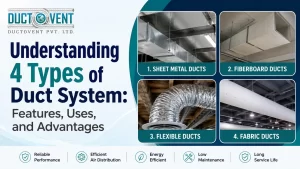
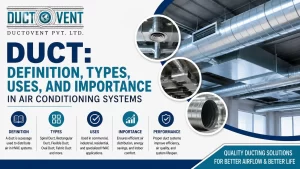
While VRV and VRF systems primarily use refrigerant piping, properly designed ventilation and air distribution systems remain essential for fresh air supply, exhaust air, and indoor air quality.
High-quality HVAC ductwork ensures:
- Uniform air distribution
- Improved indoor air quality
- Reduced energy losses
- Better ventilation
- Longer HVAC system life
- Improved occupant comfort
This is where Ductovent Pvt. Ltd. plays a vital role by manufacturing premium HVAC ducting products that support efficient air movement in commercial and industrial buildings.
VRV vs VRF: Which One Should You Choose?
If you’re comparing VRV and VRF systems, there is no major technical difference. The choice usually depends on:
- Brand preference
- Project budget
- Building size
- Service availability
- Warranty and after-sales support
- HVAC design requirements
Whether you choose a Daikin VRV system or another manufacturer’s VRF system, both technologies offer excellent energy efficiency, flexible temperature control, and long-term performance.
Why Choose Ductovent Pvt. Ltd.?
Ductovent Pvt. Ltd. is a leading HVAC duct manufacturer in India. offers high-quality products designed for modern HVAC systems, including VRV and VRF installations. We are known for reliable manufacturing of various kinds of ducts for different industrial applications.
Our Industrial Duct Range
- Spiral Ducts
- Rectangular Ducts
- Round Ducts
- Oval Ducts
- GI Ducting
- Pre-Insulated Ducts
With advanced manufacturing facilities, skilled professionals, and strict quality standards, Ductovent Pvt. Ltd. delivers reliable HVAC ducting solutions for commercial, industrial, healthcare, hospitality, and infrastructure projects across India.
Conclusion
The difference between VRV and VRF is mainly in the terminology. VRV is Daikin’s proprietary name, while VRF is the generic term used across the HVAC industry. Both systems use inverter-driven compressors and intelligent refrigerant control to provide efficient cooling and heating for multiple zones.
VRV or VRF system, high-quality HVAC ducting and ventilation components are equally important. Ductovent Pvt. Ltd. provides premium ducting solutions that ensure efficient air distribution, improved indoor air quality, and long-lasting HVAC performance for commercial, industrial, and residential projects.