The process of designing an indoor space that provides comfortable and healthy conditions begins with creating an effective ventilation system. The efficiency of heating and cooling systems in residential buildings, office spaces, manufacturing facilities, and retail establishments depends on the quality of their installed HVAC ducting systems. Airflow distribution methods that operate correctly provide two advantages, which include constant temperature maintenance, cleaner indoor air, and better energy usage. The modern climate control system for building spaces relies on HVAC ducting systems, which provide operational excellence and permanent indoor climate comfort.
Ductovent Pvt. Ltd. provides advanced engineering solutions and high-quality products that enable industries to create efficient systems for ventilation and thermal management. The development of better indoor air systems for commercial buildings and residential properties depends on property owners and businesses understanding how ducting systems work in their design.
Why HVAC Ducting Matters
The primary function of ducting systems allows them to transport conditioned air from HVAC systems to various spaces while bringing back used air for processing. The most advanced heating and cooling systems require proper ductwork to achieve optimal performance. The design flaws of ducts create temperature imbalances, which result in higher energy consumption and decreased comfort levels in indoor spaces.
An efficient system offers:
- Balanced airflow across all rooms
- Reduced heating and cooling losses
- Better indoor air quality
- Lower energy bills
- Longer HVAC equipment lifespan
- Improved comfort in every season
Understanding HVAC Ductwork
Air conditioning duct systems operate through a system of duct channels, duct fittings, duct dampers, duct vents, and duct insulation materials to move air throughout the building. The project requirements determine which materials to use for duct construction, which include galvanized steel and aluminum, fiberglass, and flexible materials.
The correct duct design needs to consider these factors:
- Building size and layout
- Number of rooms
- Airflow requirements
- Insulation needs
- Climate conditions
- Type of HVAC equipment installed
Ducts achieve their function of controlling air pressure and temperature through proper sizing and installation, which also helps reduce energy losses.
Types of HVAC Ducting Systems
There are several types of HVAC ducting system designs used in residential and commercial applications:
Sheet Metal Ducts
Strong, durable, and commonly used in industrial and commercial spaces. These ducts resist mold growth and provide excellent long-term performance.
Flexible Ducts
Lightweight and easy to install in tight spaces. Often used in homes and small projects where installation flexibility is important.
Fiberglass Lined Ducts
Designed for sound control and insulation. These are useful where noise reduction is a priority.
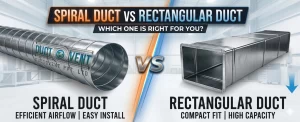
Spiral Ducts
Modern and attractive, commonly seen in open-ceiling commercial interiors. They offer efficient airflow and stylish aesthetics.
Importance of Residential HVAC Ducting
A quality residential HVAC ducting system is essential for maintaining a comfortable home environment. In many houses, rooms may feel too hot in summer or too cold in winter due to poor duct design. Proper duct placement and sealing solve these common issues.
Benefits of upgraded home ducting include:
- Even temperature in bedrooms and living areas
- Better humidity control
- Cleaner indoor air circulation
- Reduced utility expenses
- Quieter HVAC operation
For homeowners, investing in efficient residential HVAC ducting can significantly improve daily comfort.
Common Problems with Duct Work for HVAC
Many buildings lose efficiency because of outdated or damaged duct work for HVAC systems. Some common issues include:
Air Leaks
Gaps or loose joints allow conditioned air to escape before reaching rooms.
Poor Insulation
Uninsulated ducts can lose heat or cooling energy, especially in attics or basements.
Incorrect Sizing
Oversized or undersized ducts cause pressure imbalances and airflow issues.
Dust Buildup
Dirty ducts reduce airflow and impact indoor air quality.
Poor Layout Design
Long, complex duct routes can reduce system efficiency.
Regular inspections and maintenance help prevent these problems.
How to Improve HVAC Duct Efficiency
To get the best performance from your HVAC ducting system, follow these proven steps:
Seal All Joints
Use proper sealants or metal tape to prevent air leakage.
Add Insulation
Insulated ducts reduce energy loss and improve temperature consistency.
Clean the System
Routine cleaning removes dust and debris buildup.
Upgrade Old Ductwork
Replacing worn-out HVAC ductwork improves airflow and energy savings.
Use Professional Design
Expert planning ensures proper sizing and balanced airflow.
Choosing the Right Ducting Partner
The selection of an appropriate ventilation solution provider requires two essential components, which include high-quality materials and expert installation services. Ductovent Pvt. Ltd. provides customers with industrial expertise and precision-based systems that deliver dependable performance across multiple industries.
The right supplier selection guarantees long-term benefits for both your commercial ventilation needs and your residential HVAC ducting requirements.
Future Trends in HVAC Ducting
Modern buildings are moving toward smarter and more sustainable systems. Today’s hvac ducting system innovations include:
- Energy-efficient insulated ducts
- Smart airflow control dampers
- Eco-friendly materials
- Noise-reducing designs
- Compact systems for modern spaces
These upgrades help improve comfort while reducing environmental impact.
Conclusion
The process of efficient ventilation requires both intelligent planning and high-quality HVAC ductwork installation. A professionally designed duct network system provides dependable airflow, which improves indoor air quality and reduces operating expenses. The appropriate duct work for HVAC systems provides commercial buildings and residential homes with improved comfort and better system performance.